A nonprofit organization bringing together a global team to develop innovative solutions for wildlife conservation.
Project Eagle Ray
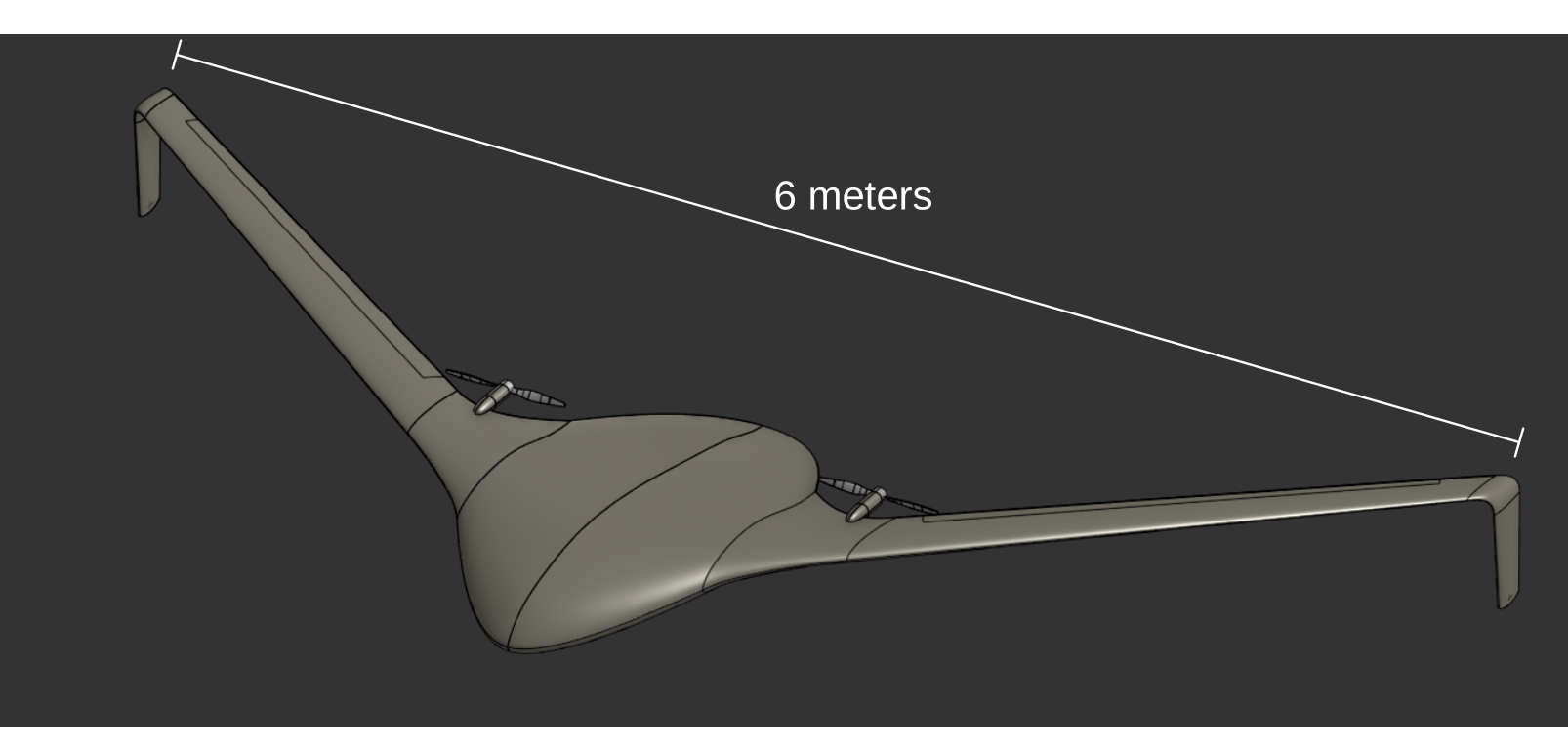
The Eagle Ray aircraft is a blended-wing body UAS designed to fly over the Himalayan Mountain Range at 20,000 feet. The goal is to monitor endangered snow leopard populations, eventually offering protective solutions to poaching, habitat destruction, and dwindling populations.
Aerodynamics Internship
Approach
To analyze the aerodynamic performance for the newest design of Eagle Ray, I cross-referenced results across multiple analysis tools, prioritizing open-source software to support KWF's nonprofit mission.
I aimed to develop a CFD workflow using hardware readily accessible to my teammates—a standard laptop.
1
Utilized the Vortex Lattice Method to provide a computationally efficient baseline.
2
Expanded the analysis to higher-fidelity CFD to capture viscous flow effects.
3
Validated results through higher-resolution mesh refinement on a robust cloud-based platform.
Setup
In CFD, reliable solutions come from a well-defined domain and mesh.
To speed up the solver, I modeled half of the aircraft with a symmetry boundary condition along the x-z plane.
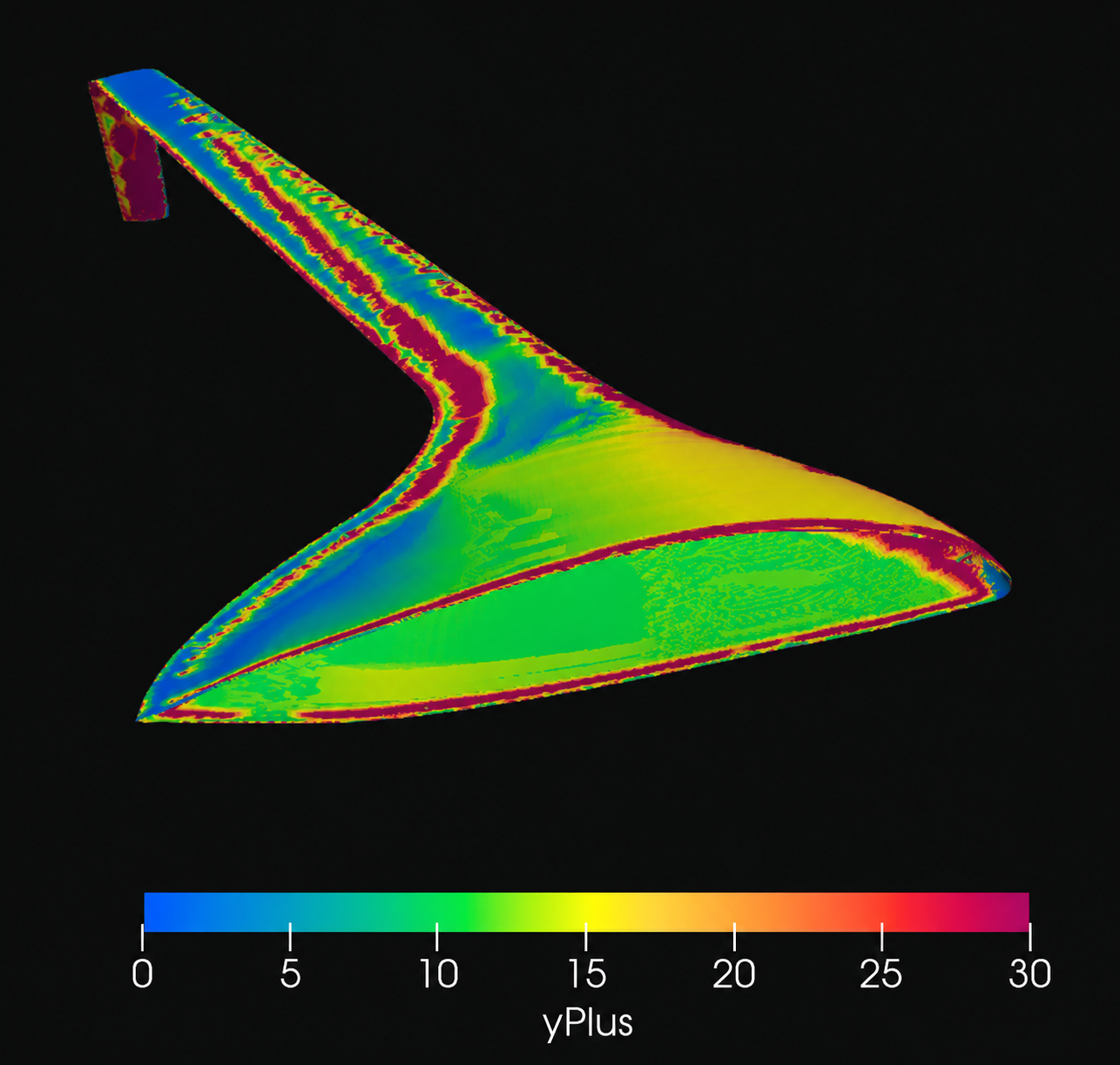
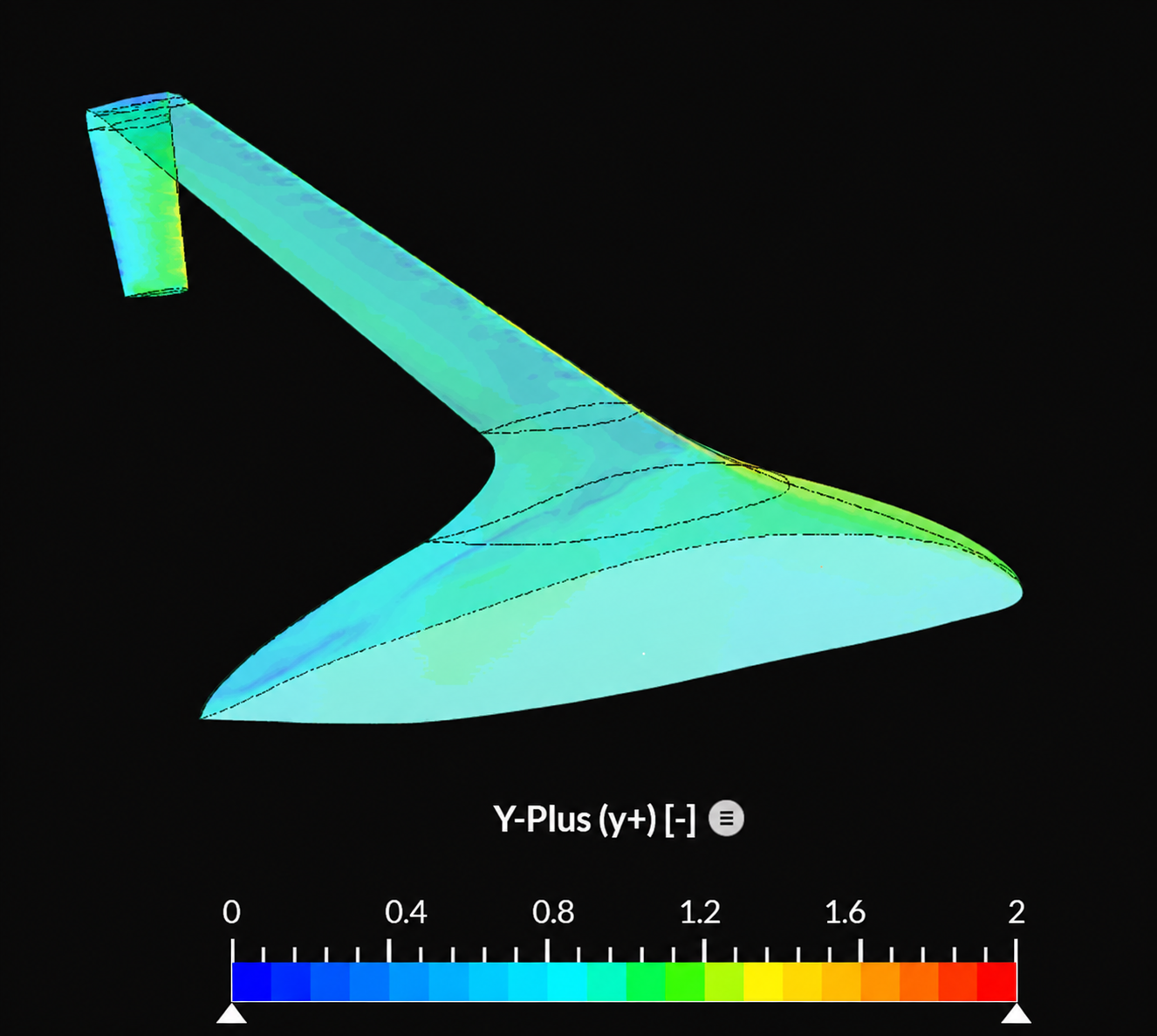
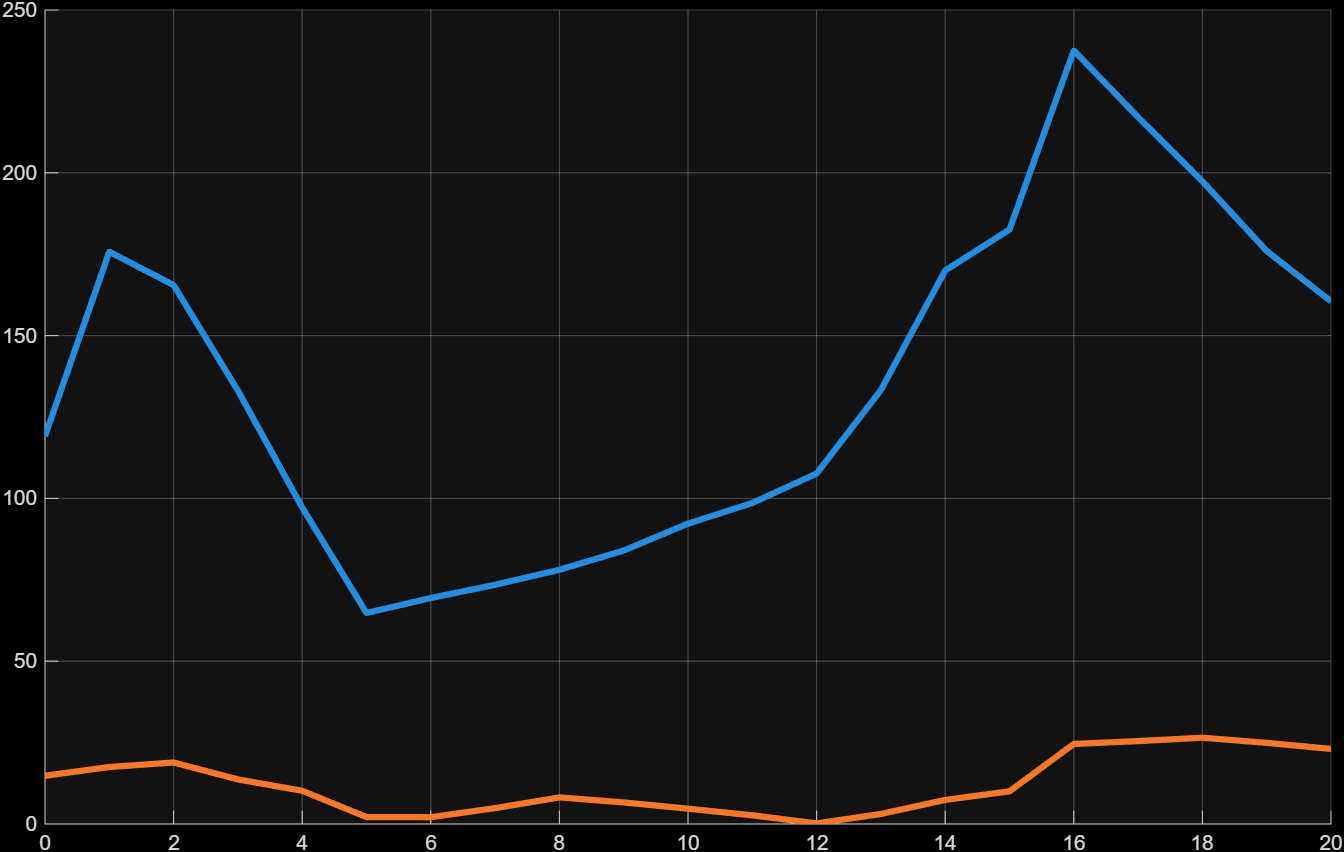
One measure of mesh quality is y+, which indicates how well the mesh resolves flow near the aircraft surface. Typically, a y+ of around 1 is desired. Results from 15° AoA are shown on the right.
Each setup used steady-state RANS with the k–ω SST turbulence model.
OpenFOAM: Local hardware constraints limited mesh refinement, resulting in higher and more variable y+.SimScale: Cloud computing enabled greater mesh refinement, producing lower and more uniform y+.
Results
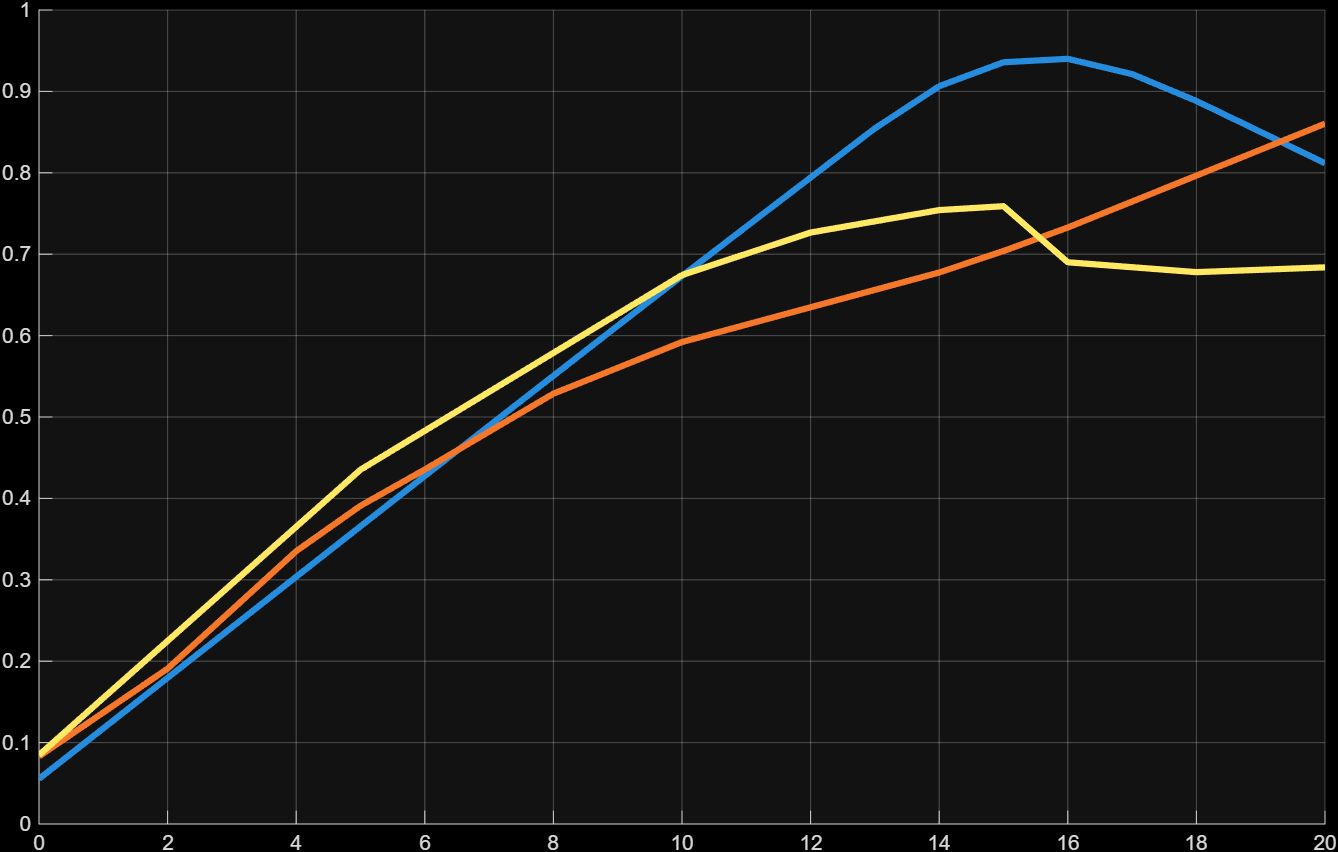
Lift Coefficient vs. Angle of Attack
CLAoA [deg]
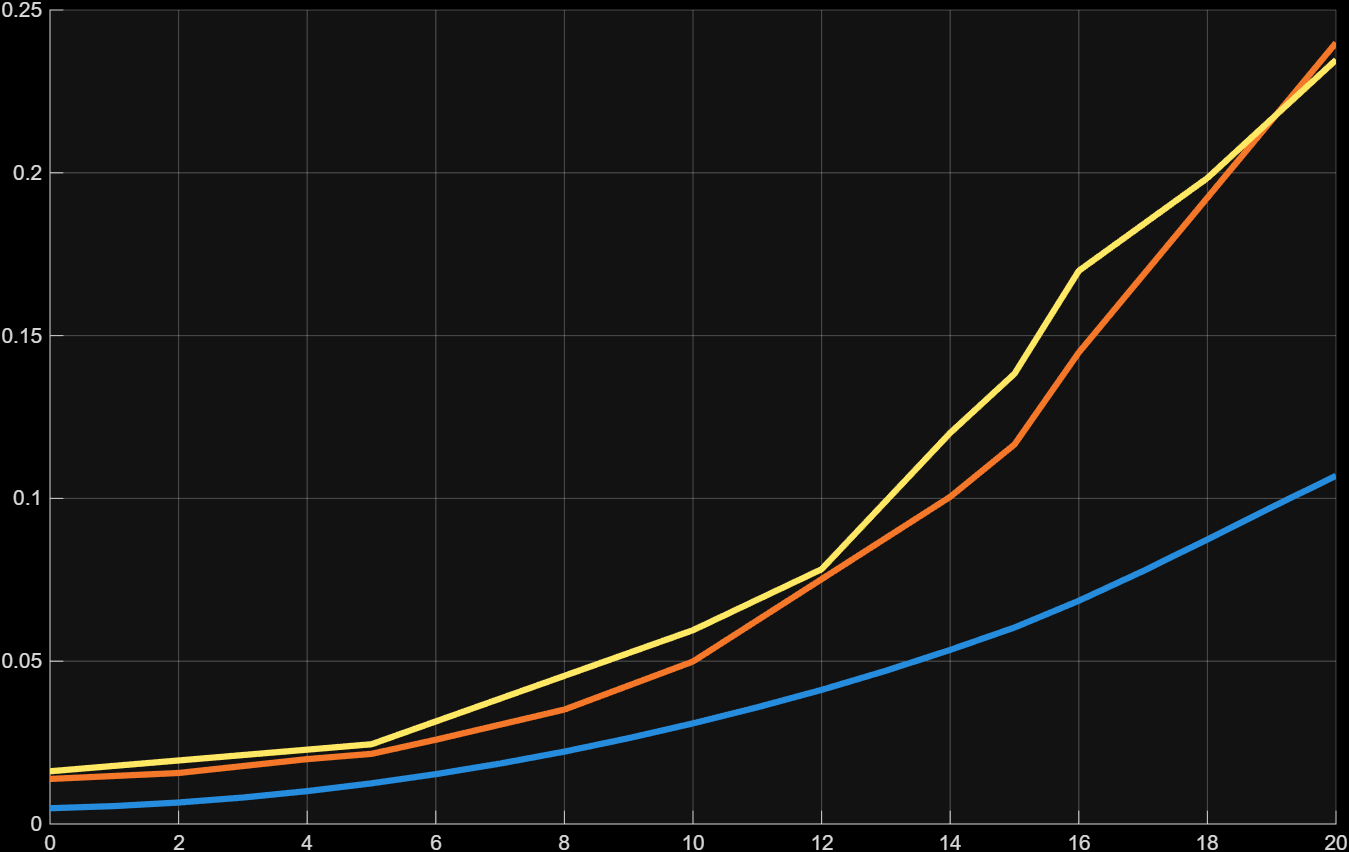
Drag Coefficient vs. Angle of Attack
CDAoA [deg]
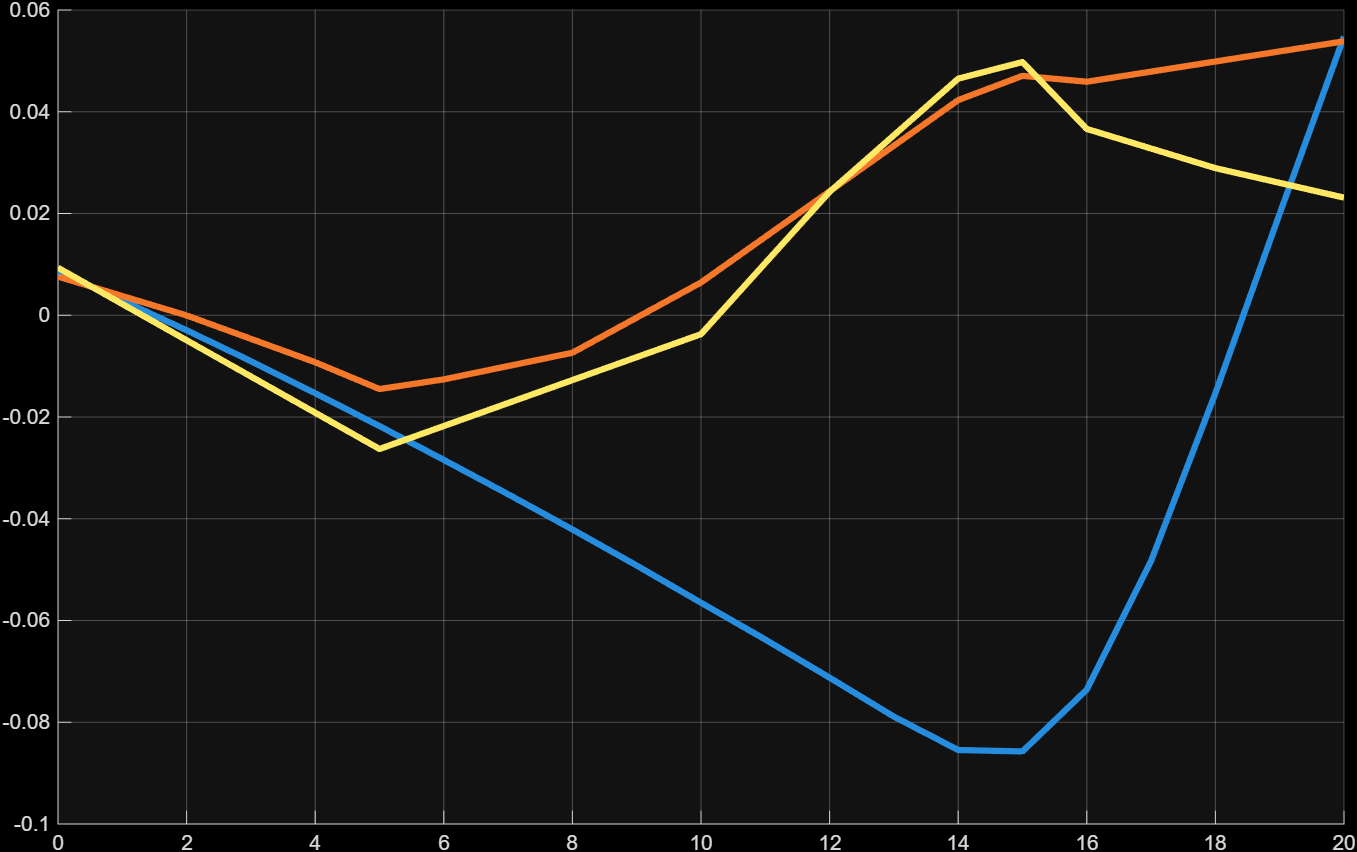
Moment Coefficient vs. Angle of Attack
CMAoA [deg]
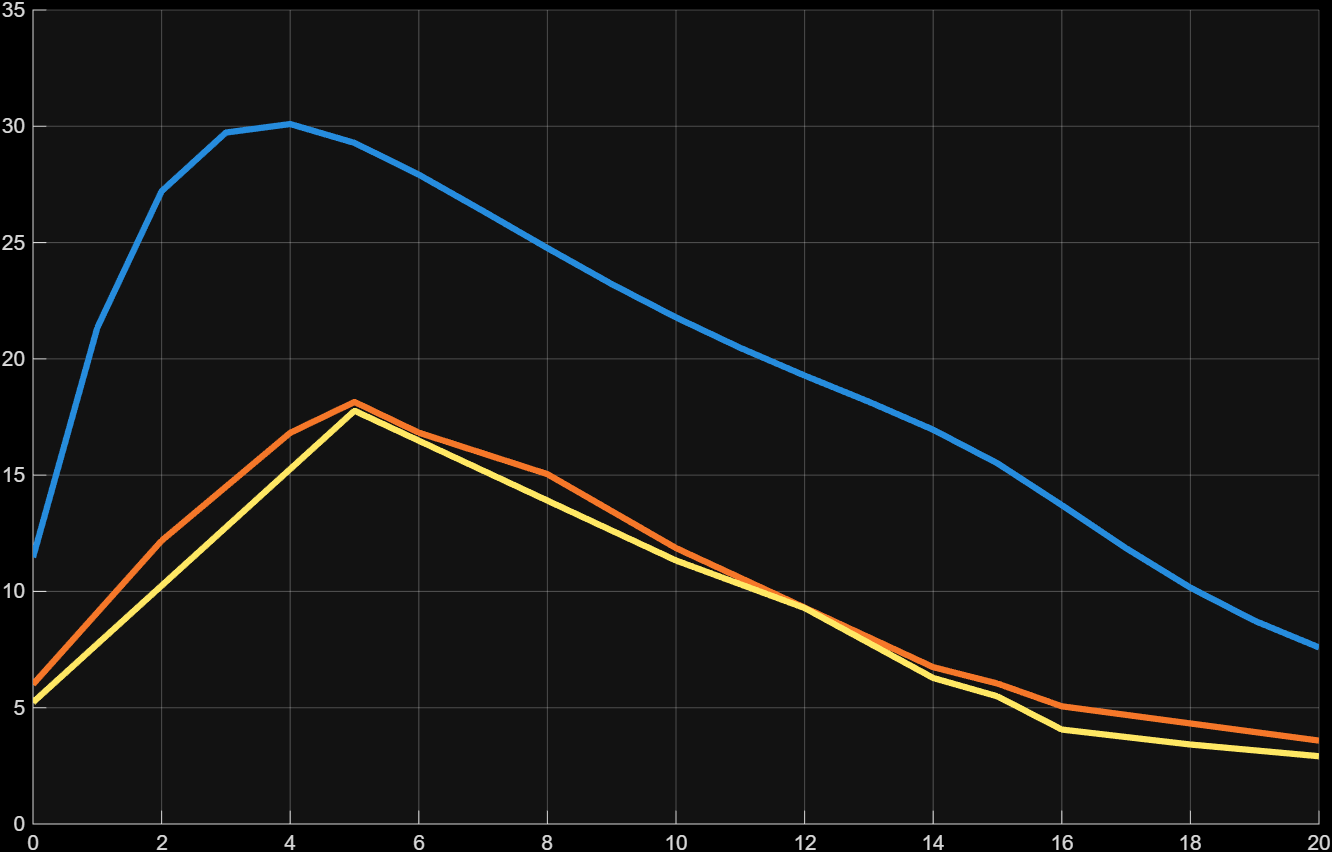
OpenVSP Vortex Lattice Method
OpenFOAM CFD
SimScale CFD
Lift-to-Drag Ratio vs. Angle of Attack
L/DAoA [deg]
Lift-to-Drag Model Error
Difference from SimScale [%]AoA [deg]
Conclusion
The aerodynamic coefficients are in reasonable agreement between OpenFOAM and SimScale. The stall onset shown by SimScale around 15° AoA is not completely captured by OpenFOAM, showing where the model experiences limitations.
As expected, the VLM model underpredicts drag because of the attached and inviscid flow assumptions. The pressure distribution along the blended-wing body is highly dependent on flow separation, which is not captured by the VLM model.
Cross-referencing two independent CFD solvers was an incredibly valuable part of this process, as it allowed for the identification of discrepancies and built confidence in the results. Overall, this analysis provided a solid aerodynamic foundation for the Eagle Ray, yielding reliable coefficient data across a full range of angles of attack.